All three are easy to do, effective, and are in fact three facets of one single thing:
reading.
A Stanford University study beginning in the first half of the 20th century followed nearly 1,500 men with IQs in the top 1%…for fifty years! It found that even within this seemingly elite group there was a wide variation in academic and vocational achievement: as expected, some accomplished great things; others had real but less significant achievements; but a (surprising?) number had little to show for themselves.
What factors accounted for the differences in achievement? Well, perhaps not too surprisingly, their respective family backgrounds. But more specifically:
the presence (or absence) of books in their homes.
The point: all the innate potential in the world isn’t enough. Nurture is crucial. And apparently a statistically significant form of nurturing is reading. So…
1. Read to your kids when they’re little!
What is often regarded as a sentimental activity in the home is actually a highly strategic means of human development. When we read to our kids, at least three things happen, even at this early stage:
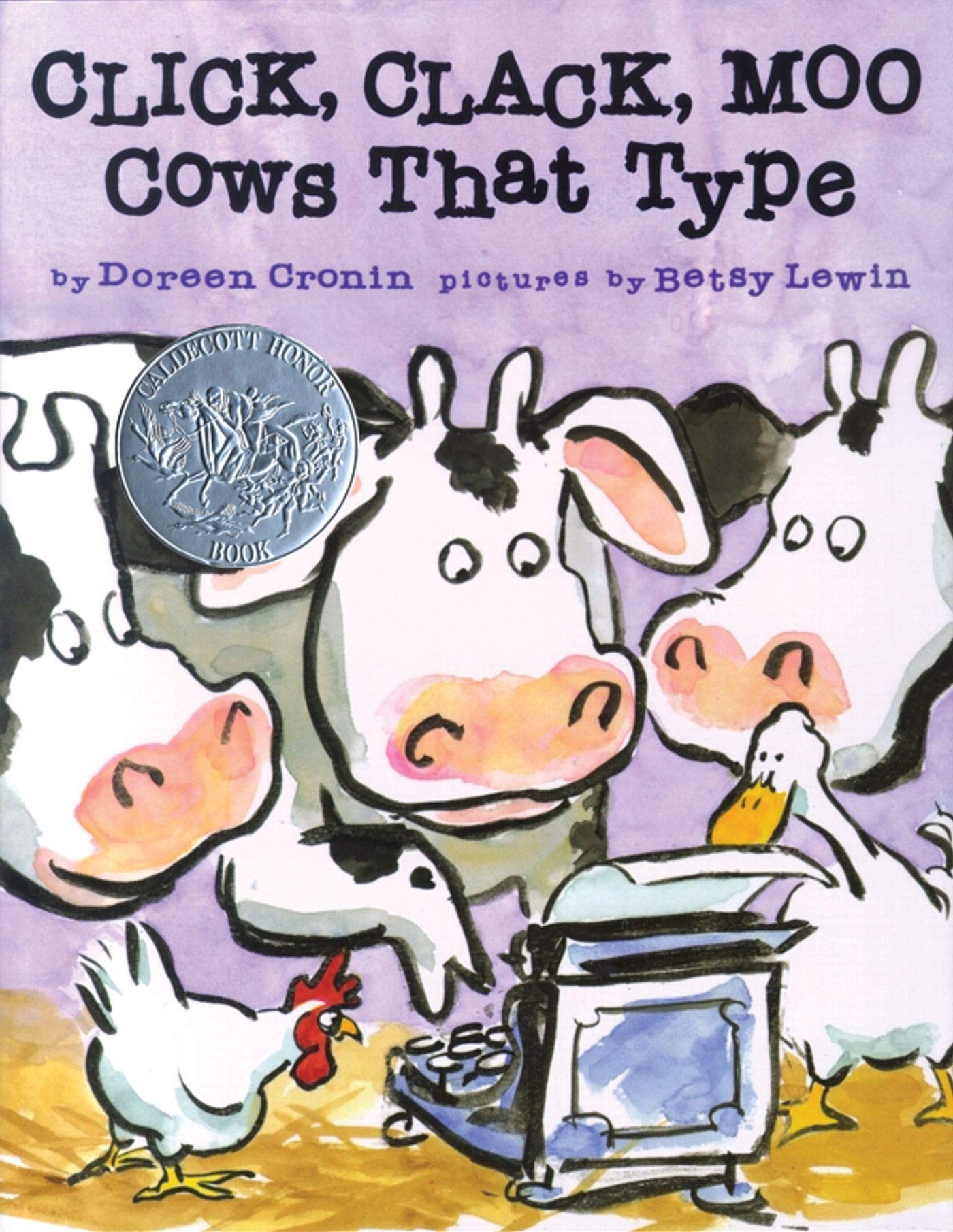
First, kids learn to communicate, unwittingly growing in vocabulary and general communication skills. They learn in perhaps the most natural way–namely, contextually (e.g., after only the second reading of Beatrix Potter’s The Tale of Peter Rabbit, one of our kids knew what the word implore means).
Second, kids learn to truly learn. That is, they learn to be exposed to things contrary to their current (unexamined) assumptions and first impressions; they become used to encountering and engaging realities that are contrary to their own immediate experience. In short, they learn one of the most important life skills: how to be wrong, to be okay with it, and even to welcome it. This last skill–welcoming correction–is the hallmark of true wisdom, as an ancient Jewish proverb says: “Whoever loves discipline loves knowledge; but whoever hates correction is stupid” (Proverbs 12.1).
Third, kids learn what is beautiful. Generally speaking, beauty is an acquired taste. Exposing our children at an early age to what is beautiful–i.e., to the sacrificial, tragic, just, noble, lyrical, comical, etc.–gives them gifts they don’t (yet) know they actually want.
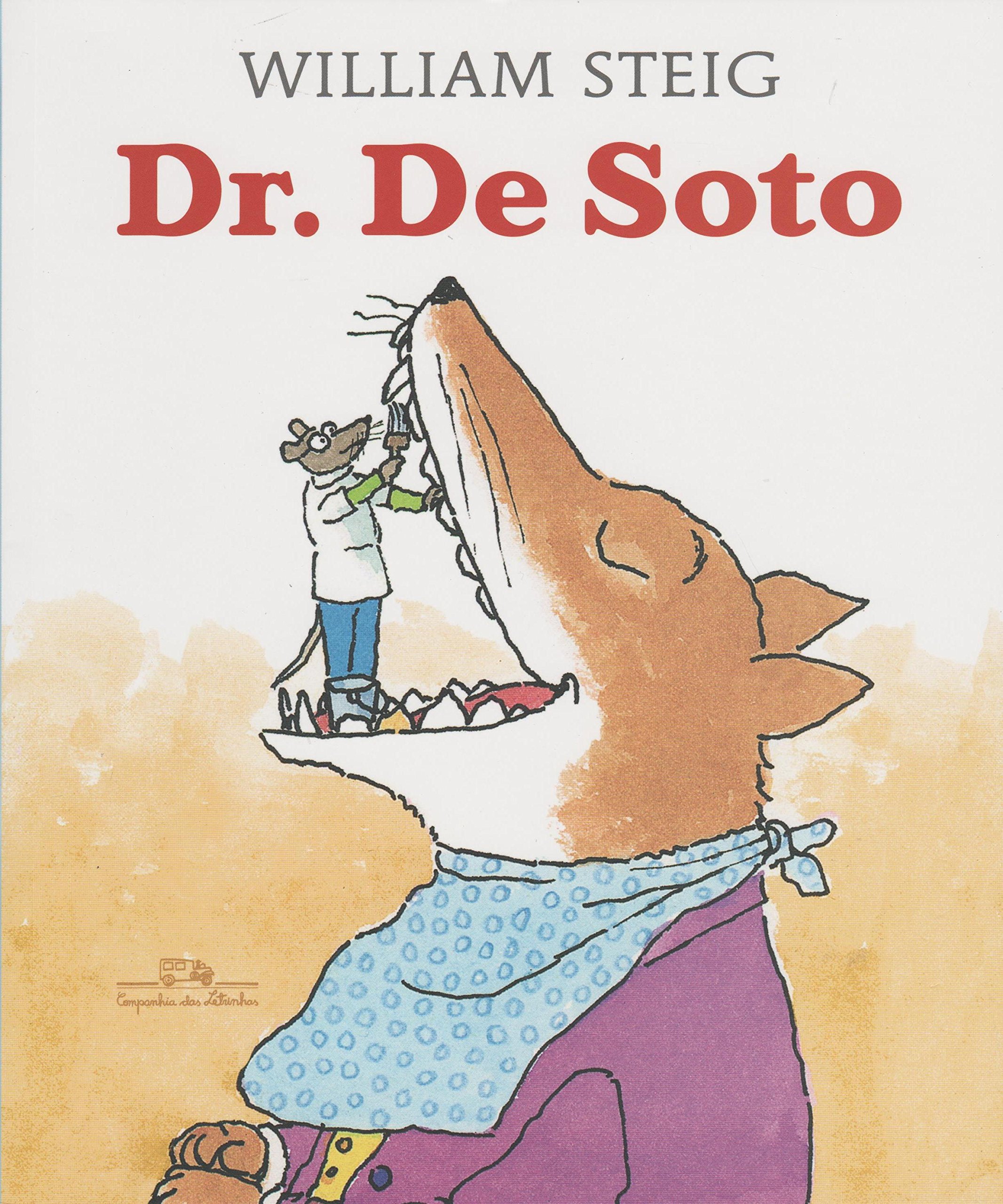
Of course, many parents know to read to their kids when they’re little. But what about when they’re older?
2. Read to them when they’re big!
Unfortunately, in too many families today something happens–school, sports, homework, etc., and all too early this reading-to-our-kids drops off. Perhaps part of the logic is: well, my kids know how to read now, so they can read for themselves.
But the benefits of reading to our children when they’re older–even into their mid/late teens–are enormous:
First, all three benefits listed above still apply, but now there’s even more at stake and even more to gain. Success in navigating life depends in good measure on being exposed to new categories, concepts, and vocabulary–especially those they won’t receive in our culture today. (Read a dystopian novel like Nineteen Eighty-Four or Brave New World–and what is controlled by the totalitarian regime?–the use of language; it’s called Newspeak. Please, consider: how Orwellian is our present cultural moment?)

It’s in their teens (more than ever) that the skill of real learning (i.e., discovering that first impressions can be wrong, questioning assumptions, and welcoming correction in the pursuit of truth) is needed. In today’s world–especially in today’s current secondary and higher education environments, where the mantras are “Always trust your feelings” (so Haidt and Lukianoff) and “Lived experience is ultimate and infallible”–being exposed to the mind-challenging realities of, e.g., history, statistics, critical thinking skills, literary devices, etc.–helps to prepare them for life (not to mention placing them on a level above many of their peers, enabling them to be leaders among their companions, classmates, and future coworkers).
Second, and to me no less important, reading to your older kids will be a source of bonding. Even when I have read books to them that they didn’t want to read, over (a surprisingly short) time–as their literary and intellectual palates began to mature–they found themselves tolerating and even enjoying what we were reading. And especially with nonfiction, once read, its concepts come up again and again as we discuss at the dinner table “hot button” topics that inevitably come up in the daily news or in their classes.
Let me give just a few examples:
– In 3rd-6th grade I read aloud to my twins the Harry Potter series; not only was this great fodder for discussion, it (re)acquainted them with aspects of British culture. But beyond that it was a genuine, ongoing “bonding experience” as we journeyed with Harry, Ron, and Hermione on their great adventure, an adventure in which the books’ Anglican author puts more than few Christian themes on explicit display (the admission of which she made only after the completion of the final book–see, e.g., here or here);

– In the summer of 2020 I read to the twins the magisterial (if dated) Ethnic America: A History by the Afro-American economist Thomas Sowell. It tells the story of American immigration up until the 1980s, and it’s mind-boggling. Each chapter recounts how different nationalities and ethnicities came to America. On multiple occasions even the twins exclaimed “NO WAAAYY!!” as they heard of the overwhelming odds and excruciating trials that wave after wave of immigrants from around the world endured and overcame. Especially noteworthy was the chapter on “The Blacks,” which begins, “Black Americans were the only racial or ethnic group brought to America against their will.”
Here I have to pause and tell a brief story: Recently, one of the twins was in history class, and she made an observation about the history of Blacks in America. A Black classmate objected, ‘Wait, what do you know about the history of Black people in America?” After an awkward pause she shared some of what she had learned from Ethnic America–specifically about the Great Migrations. Both the class and teacher quietly listened, until another Black classmate interrupted with laughter and said to the first, “Hell, she knows way more about Black history than you do, bro!” The young man joined in the laughter, conceded the point and gave my daughter a high-five, and it sparked a friendship that has grown since then.
– At the moment I’m reading to them Confronting Christianity: Twelve Hard Questions for the World’s Largest Religion by Rebecca McLaughlin. McLaughlin humbly, respectfully tackles common questions about Christianity in today’s culture, questions like, “Aren’t we better off without religion?” or “Doesn’t religion cause violence?” or “Isn’t Christianity homophobic?”

When reading these kinds of books to them, we’ll usually read for around 20 or, at most, 30 minutes. We go slowly. Often there are vocabulary they don’t know (or I don’t know either!), so I stop and ask, “Do you know what antebellum means?” or “We talked about secularization theory yesterday; do you remember what it is?” We may only cover 2-3 pages in those 20 minutes, and we regularly review prior content (e.g., we read Sowell’s chapter on “The Blacks” three times).
The bottom line is this: Reading gets our kids outside themselves, enabling them to see the world (including themselves) from new, often unexpected vantage points. Stories especially have the power to sneak through the “back door” of our hearts, producing needed growth emotionally, intellectually and spiritually.
In short, reading reveals that more likely than not, we probably don’t (yet) have the full story.
3. Read to them the Bible!
Regardless of one’s personal ideology or beliefs about life, there’s no more influential book in world history than the Bible.
And if current trajectories of global (and American) religious demographics hold, that’s not going to change anytime soon. Indeed, demographically, whereas secularism is primarily white and male, religiosity (and especially Christianity) is disproportionately minority (especially black) and female.
One can’t successfully read Shakespeare, Steinbeck’s East of Eden, either The Diary of Anne Frank or The Hiding Place, or MLK’s “Letter from a Birmingham Jail” without having first read the Bible.
And such is the case for most of Western literature.
But more profoundly, the towering figure of Jesus of Nazareth and the Jewish Scriptures that he regarded as authoritative present to our children a way of life that is both countercultural and counterintuitive, a way that has withstood the test of time: that is, these Scriptures will keep our children from being prisoners of their times, social media lemmings, or intellectual zombies under the bewitchment of the elitist dogma du jour (see William Deresiewicz’s Excellent Sheep: the Miseducation of the American Elite).
As historians routinely (and rightly) note, the ancient texts that have survived the centuries were written both by and for a particular culture’s elite class (e.g., Plato’s Republic). But here’s where the Bible stands apart: it gives us a history of nobodies; it tells of a people group of sojourners (read non-citizens) and slaves, who, once set free to serve their God, struggle unceasingly with their slavery to self-sabotage (otherwise known as sin). Similarly, the Gospels recount how an ethnic minority and unsophisticated peasant from (rural) Galilee defied both the ruling Jewish priests and the Roman prefect to demonstrate what true (i.e., self-sacrificial) power is, coming to share in the authority and homage reserved exclusively for Israel’s God.
Further, there has been no greater source of inspiration for art, both visual and performing, in human history than the Bible (for a recent example, see the artistry of Kevin Rolly here). And wonderfully the sacred text comes to us beautifully–i.e., in story and statute, in poetry, parable and proverb.
More often than not, when reading the Bible to my children, I usually first read it silently myself and then paraphrase and tailor it to their age and stage. I have found the stories of Joseph, the Exodus, the laws of Deuteronomy, the lives of Saul and David, etc., to capture their imaginations and compel their hearts to adoration of and obedience to the One who is Love, Hope, Wisdom, and Victory.
Happy reading!!
Some resources for reading to kids:
(1) “Read Aloud Revival” as a number of booklists
(2) Check out both Honey for a Child’s Heart and Honey for a Teen’s Heart
(3) Then there’s The Book Tree
(4) Here’s a reading list for grades 1-8, from one Christian school
(Special thanks to Kate Q. for helping out with these resources!)

 Hope Unbroken
Excellent read. Thanks for sharing.
I love this, Bruce! This is one of my passions. Another great resource is The Read-Aloud Family, which is a book by the creator of Read Aloud Revival.
Thanks, Melodee, for the additional resource!!