
The other day I was driving somewhere with one of my teen daughters, and the stereo was at near max volume playing “Running Down a Dream” by Tom Petty and the Heartbreakers. We were both singing our lungs out.
In between songs, she randomly observed, “You know, they just don’t make music like they did 30-40 years ago.”
She’s not even 16 yet.
While one might challenge the validity of her observation (I, for one, would not), it points to an important dimension of our family’s parent-child relationships: our kids have all been–what’s the word?–brainwashed? indoctrinated? enculturated? discipled?–into their parents’ musical tastes.
The result?
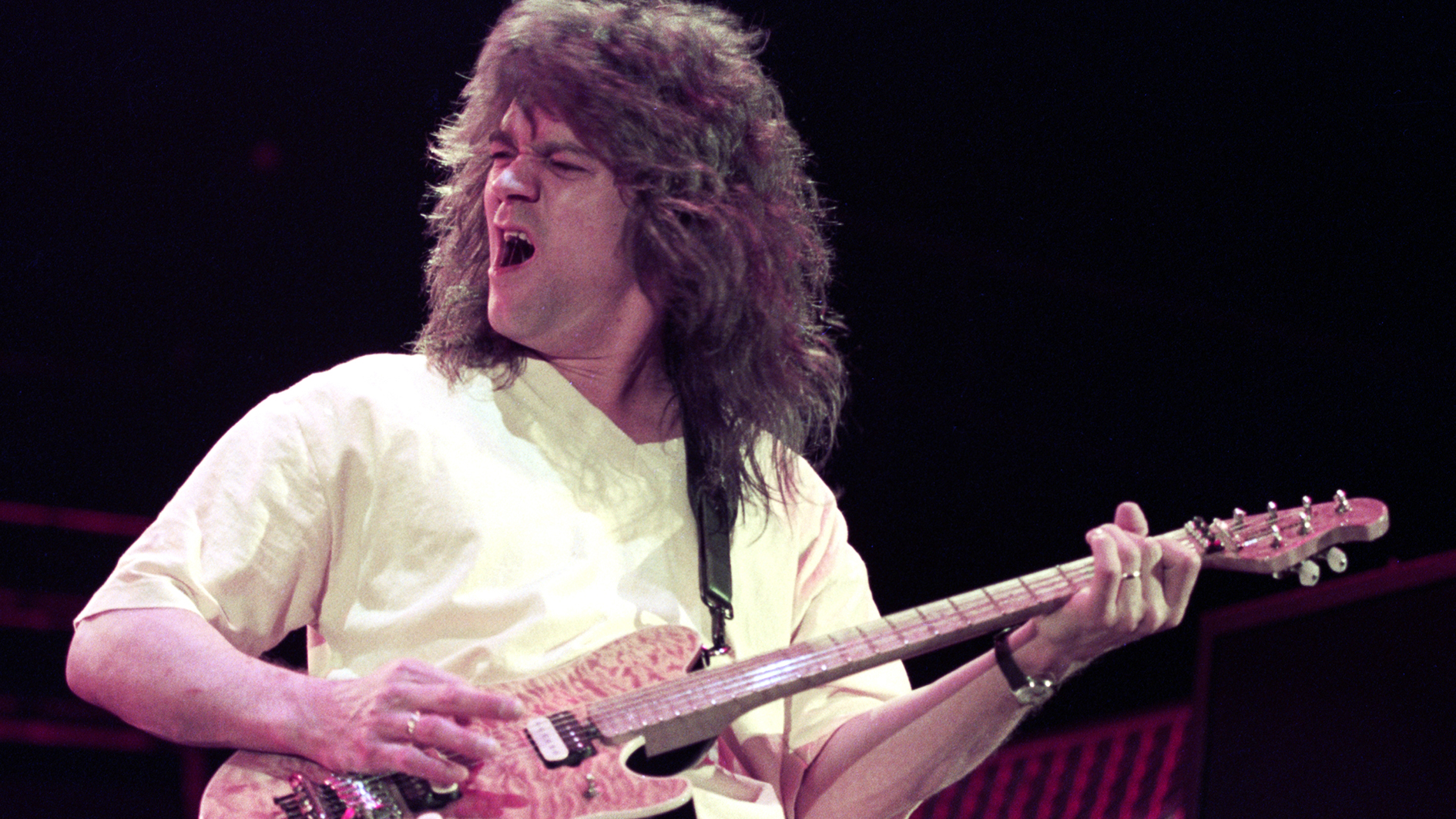
A very beautiful and lasting bond.
From Christian worship music (of all different flavors) to classical to classic rock, we regularly jam at home and in the car. And it wasn’t my idea: some years ago a close friend of mine said that he and his wife sorta fell into it with their kids and that it was a source of real intimacy with their kids and among the siblings.
The benefits have been manifold, some big, some small–e.g., all the kids have been forced to take piano lessons growing up, and now the twins are good enough to appreciate and even play what they hear (e.g., the rather simple but fun piano intro to Journey’s “Don’t Stop Believin'”). Even our 10-month-old, Harrison, can participate: he’ll sit in his high chair and rock to the beat!
But at a deeper level music both expresses and evokes our humanity. It transcends or sidesteps more direct communication, providing a common object of reflection: listeners go on a 3-4 minute journey together that can evoke all manner of emotion and reflection. Regularly the lyrics become occasions for conversations of all kinds: from the idea of aging, found in Bryan Adams’ upbeat rock (yet lament) song “Summer of ’69” (“Those were the best days of my life”) to the beauty of nature, found in Patty Griffin’s “Heavenly Day,” even to dark and disturbing realities like physical abuse, found in Eminem’s “Love the Way You Lie,” we’re helping them not only to investigate but to interpret countless facets of life on planet earth in a very low-threat sort of way.

In short, music has been a great occasion for fulfilling the all-important commandment in Deut. 6.6-7: “These commandments…are to be on your hearts. Impress them upon your children. Talk about them when you sit at home and when you walk along the road, when you lie down and when you get up.” Here parental instruction on the essentials of life is depicted as happening in the everyday activities of life–like driving somewhere and listening to music.
And, yes, it’s been a great occasion for talking about sex and “explicit” language, but also things like rhyme, rhythm, meter, etc.; also, we’ve been encouraging them to consider composing some songs on their own. A still further conversation piece has been the artists behind these amazing sounds: so many of them live tumultuous and, sadly, tragic lives–but how can that be, when they have so much fame and fortune? Hmmm…
The bottom line is this: it matters less what kind of music we share with our kids (though I’d suggest a diversity), as long as we parents are using it to engage our kids so that we can (1) simply enjoy it with them (developing their love for beauty) and (2) regularly interpret it through the lenses of Scripture and the Christian tradition (growing them in wisdom).
Beyond all this, for our family devotionals I regularly pull out the guitar, and we sing together as a family. Where dad’s devotional doesn’t penetrate the heart, singing together–no matter how poorly it’s done!–invites the vast and rich Christian tradition into our living room, where the great hymn writers of old or contemporary praise song “poets” can hardwire the beauty and truth of the Gospel into the hearts of our kiddos.
In his 2019 PCA General Assembly sermon, David Cassidy movingly shared how his son, after spending years as a prodigal, returned home. What instrument did the Spirit use to enable him to “come to his senses”? God brought to his mind the various hymns and songs he had learned as a child.
Ancient Israel’s King David, for all his failings, was a Renaissance man (hence, Michelangelo’s famous statue): a caring and protective shepherd, lethal warrior, capable statemen, etc. But when we read of the “last words of David” in the Old Testament, he is described–how? Yes, as God’s anointed, but not as a king or warrior. Rather, he is hailed as the Bob Dylan or Bono of his day: he is “the beloved psalmist of Israel.”
Why? Because music moves us. Profoundly.
The only question is…where?

 Hope Unbroken
So good, so true!
Bruce, this is great. We always have music on in the background, and it is usually a pretty diverse range.
That being said, I have never considered how music can be part of parenting. We are so intentional with certain experiences (i.e. We should buy multi-colored blocks so we can work on building things and colors at the same time!), but less so with music.
What I love about this is how Christians can even use secular (perhaps even inappropriate) music as a potential springboard to some challenging conversations, and still enjoy the beauty of the music.
Great article.